
How to Heal Irritated Skin
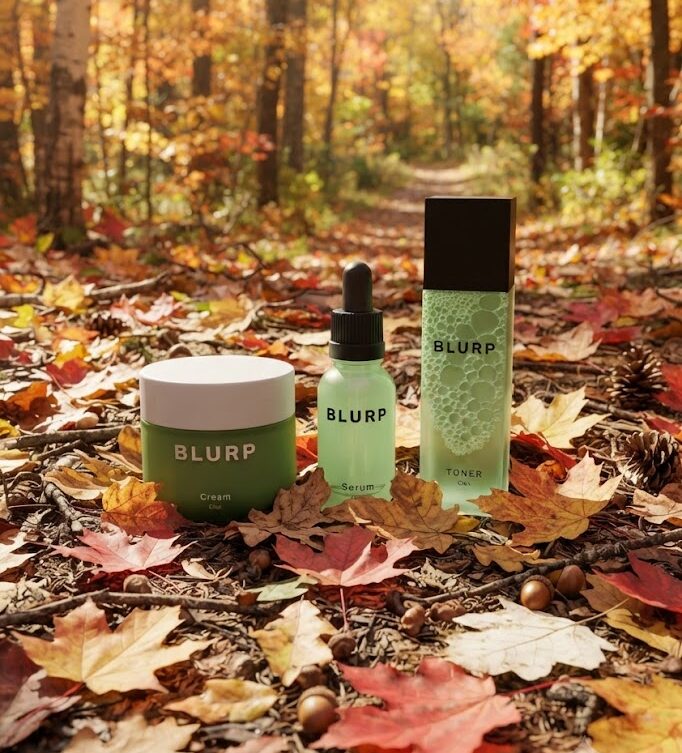
A Simple Guide to Calming Redness & Repairing Your Barrier When Your Skin Suddenly Declares War Let’s be completely honest for a second. We’ve all had that moment of absolute dread: You wake up, look in the mirror, and realize your skin has completely rebelled. Out of nowhere, you’re dealing with stubborn redness, random stinging when you apply your favorite moisturizer, and angry little bumps that refuse to go away. Whether it was caused by a sudden weather shift, too many harsh actives, stress, or a compromised moisture barrier, dealing with irritated skin feels exhausting. Your usual routine suddenly burns, and you’re left scrambling wondering how to fix it without making things worse. Here is the most important rule when your skin is in full-blown panic mode: Stop trying to fix it with more products, and start stripping it back to pure recovery. Let’s break down how to actually calm and heal irritated skin step by step. Why Is Your Skin So Irritated in the First Place? Before you can fix the issue, you need to understand what’s happening underneath the surface. When skin becomes irritated, red, or reactive, your skin barrier—the protective outer shield that locks in moisture and keeps irritants out—has essentially developed microscopic cracks. Think of it like a brick wall with missing mortar. Once that barrier is compromised, moisture escapes rapidly, and external irritants (pollution, bacteria, harsh ingredients) easily penetrate, triggering inflammation, stinging, and breakouts. Bombarding compromised skin with strong exfoliants or aggressive acne treatments is like throwing gasoline on a fire. The Golden Rules for Calming Irritated Skin When your skin is acting up, your daily regimen needs a complete reset. Follow these essential recovery rules: Drop the harsh actives: Put away the high-strength retinoids, physical scrubs, and strong acids for a few days. Your skin doesn’t need to be “corrected right now; it needs to be protected. Prioritize gentle, non-stripping cleansing: Wash with a lukewarm, low-pH cleanser that doesn’t leave your face feeling tight or squeaky clean. Focus on immediate soothing and hydration: Instead of layering ten different products, look for targeted ingredients known for rapid relief—specifically Cica (Centella Asiatica) to calm redness and Bifida to reinforce and rebuild the weakened barrier. The BLURP Recovery Routine: How to Calm Redness and Repair To take the guesswork out of healing a compromised complexion, the BLURP Recovery Routine focuses strictly on gentle soothing and deep barrier restoration: Step 1: Gentle Reset CleansingStart with an ultra-mild cleanse to clear away impurities without stripping your skin’s remaining lipid layer. Step 2: Immediate ReliefApply BLURP Cica Recovery Serum to instantly calm stinging sensations, reduce visible redness, and provide a cooling, anti-inflammatory cushion to raw areas. Step 3: Core Barrier StrengtheningFollow up with BLURP Bifida Barrier Ampoule to deeply fortify your skin’s foundational defense system, helping your barrier lock in moisture and resist future flare-ups. Step 4: Protective SealingFinish with a nourishing, non-comedogenic cream to seal in the soothing active ingredients and shield your face from environmental stress. Conclusion: Patience Is Your Best Skincare IngredientHealing irritated skin doesn’t happen overnight, but forcing it to recover with rushed experiments will only prolong the frustration. Step back, strip down your routine to the essentials, focus on targeted calming ingredients like Cica and Bifida, and let your skin naturally reset. Ready to calm your skin and restore your barrier? Explore the BLURP Recovery Lineup Now and give your skin the relief it deserves. Recommended Reads: Want to prevent future irritation by knowing your exact baseline? Read What’s My Skin Type? How to Find Your True Skin Match Ready to establish a steady, long-term regimen once your skin heals? Check out How to Build a Skincare Routine.
How to Build a Skincare Routine
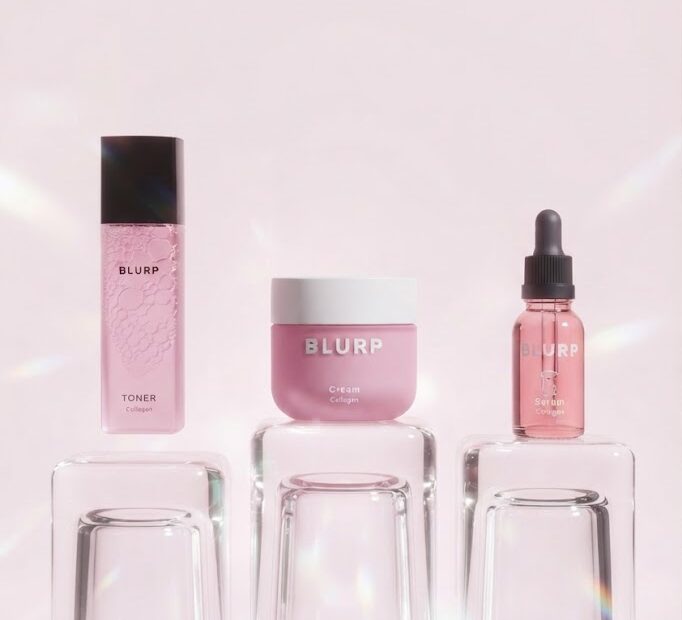
Stop Guessing and Start Glowing The Morning Chaos We All Know Too Well Let’s be completely honest for a second. Have you ever stared at your bathroom vanity—which is literally overflowing with twenty different half-empty bottles, trendy serums, and impulse-buy creams—and thought, “Why is my skin still looking so tired?” Or perhaps you’ve experienced this absolute classic morning disaster: You rush through your skincare, slap on a heavy cream, immediately follow it with foundation, and by 1:00 PM, your face looks like a melting, cakey map because nothing actually absorbed. You end up wondering if skincare is just an expensive psychological trick. Here is the ultimate plot twist: It’s not your skin’s fault, and it’s not because you aren’t trying hard enough. The culprit is almost always routine chaos—layering products in the wrong order or using textures that fight each other instead of working as a team. A truly effective routine isn’t about a crowded shelf; it’s about understanding skincare steps in the right order. Why the Order of Skincare Steps Matters The order of your skincare steps lets each product sit properly on skin and do its job without interference. In general, layer from the lightest textures to the richest: cleanse, treat, moisturize, and in the morning, protect with sunscreen. It’s important to layer your products this way because lightweight, watery formulas absorb easily into bare skin, while creams and balms create a sealing finish on top. Apply a thick moisturizer before a lightweight serum, and the serum simply cannot distribute or penetrate evenly underneath it. Get the order right, and your skin feels balanced, plump, and never heavy. Skincare Steps for the Morning A morning routine should feel refreshing, lightweight, and easy to repeat day after day. The goal is to wake up your skin, lock in hydration, and create a smooth, cake-free base for makeup or bare-skin days. Step 1: Cleanse gentlyUse a gentle, low-pH cleanser to remove overnight buildup and any leftover product. If your skin is dry or sensitive, keep this step especially non-stripping. Step 2: Apply elastic tonerUse BLURP Bounce Drop Toner to prep skin with a breathable layer of elastic moisture, so later products glide on more evenly. Step 3: Layer concentrated serumChoose a targeted treatment that matches your goals. Apply BLURP Bounce Core Serum to boost your skin’s collagen density, smoothing out fine lines and prepping a bouncy canvas. Step 4: MoisturizeLock in active ingredients with a moisturizer matched to your skin type. Use BLURP Bounce Lock Cream to shield youthful elasticity. Step 5: Finish with sunscreenSunscreen is the final layer before you step out the door. Skincare Steps for the Evening Night is when your routine gets to be deeply restorative. The goal: remove the day’s stress, layer in intense hydration, and finish with firming nourishment. Step 1: Cleanse After removing makeup, follow with a gentle cleanser that resets your skin to a fresh, comfortable state. Step 2: Use BLURP Bounce Drop Toner to prep skin with a breathable layer of elastic moisture, so later products glide on more evenly. Apply BLURP Bounce Core Serum to boost your skin’s collagen density, smoothing out fine lines and prepping a bouncy canvas. Use BLURP Bounce Lock Cream to shield youthful elasticity. How to Customize Your Skincare Routine Based on Your Skin Type A normal skincare routine is mostly about maintenance: cleanse, hydrate, moisturize, and protect consistently. Skincare routine for dry, sensitive skin: If your skin feels tight or reactive, prioritize gentle cleansing, hydrating prep with Bounce Drop Toner, and a richer moisturizing wrap using BLURP Bounce Lock Cream for a deeply cushioned feel. Skincare regimen for oily skin: A routine for oily skin still needs moisture. The difference is texture: choose weightless formulas over heavy ones to keep skin looking fresh rather than stripped bare. Skincare routine for combination skin: Keep your base routine consistent, adjusting textures where your skin needs it—something lighter in the T-zone and richer on drier patches. Conclusion: Start Your Routine Today Learning how to build a skincare routine really comes down to knowing what your skin needs, and in what order. Understand the order, choose textures suited to your skin type, and stay consistent with the BLURP Bounce Routine Set, and your daily regimen stops feeling like a chore. Ready to transform your daily ritual? Explore the BLURP Bounce Routine Set Now and experience the ultimate glow! Explore More Skincare Guides Not sure what kind of products your skin actually needs? Start by learning What’s My Skin Type? How to Find Your True Skin Match. Dealing with a compromised barrier or sudden breakouts? Read our guide on How to Heal Irritated Skin for emergency recovery.
What’s My Skin Type?

How to Find Your True Skin Match & Build a Smart Routine Think You Know Your Skin Type? Think Again. Let’s be completely honest for a second. Most of us walk around completely convinced we know our skin type, stubbornly buying products labeled “for dry skin” or “for oily skin,” only to wonder why our face still feels like a disaster zone. You slap on a heavy cream because you think you’re dry, and by noon, you’re greasy. Or you aggressively strip your skin because you think it’s oily, only to find yourself dealing with flaky, tight irritation an hour later. Here is the brutal truth: Most people are treating the wrong skin type. If you’re tired of guessing, wasting money on products that don’t fit, and playing skincare roulette every time you shop, it’s time to stop the guesswork. Let’s figure out your true skin baseline right now. Understanding the Four Primary Skin Types Before you can choose the right products, it helps to understand the baseline categories. Skin generally falls into four primary types, each with its own barrier behavior and hydration preference: Dry skin:Often feels tight, looks dull, or drinks up moisturizer and still feels thirsty. It thrives on rich, deeply nourishing formulas that reinforce the moisture barrier. Oily skin:Turns shiny fast, especially through the T-zone, but still desperately needs lightweight, balancing hydration rather than being aggressively stripped bare. Combination skin: Feels like two skin types in one—oilier on the forehead, nose, and chin, while the cheeks remain normal or dry. Normal skin: Relatively balanced, not too oily, not too dry, and feels calm and comfortable after cleansing. Understanding the Four Primary Skin Types Before you can choose the right products, it helps to understand the baseline categories. Skin generally falls into four primary types, each with its own barrier behavior and hydration preference: Dry skin: Often feels tight, looks dull, or drinks up moisturizer and still feels thirsty. It thrives on rich, deeply nourishing formulas that reinforce the moisture barrier. Oily skin: Turns shiny fast, especially through the T-zone, but still desperately needs lightweight, balancing hydration rather than being aggressively stripped bare. Combination skin: Feels like two skin types in one—oilier on the forehead, nose, and chin, while the cheeks remain normal or dry. Normal skin: Relatively balanced, not too oily, not too dry, and feels calm and comfortable after cleansing. How to Determine Your Skin Type at Home Want a straightforward, zero-guesswork way to find your skin type? Skip the guesswork and try this simple home test: Cleanse gently: Wash your face with a mild, low-pH cleanser, then pat dry gently. Skip your actives, toners, and heavy creams for now. Wait 30 to 60 minutes: Let your skin do its natural thing. No products, no makeup. Go answer some emails, drink a coffee, and let your skin settle into its true baseline. Check how it feelsTight or papery? Likely dry. Your skin lacks natural lipid production and needs heavy-hitting moisture retention.Shiny all over? Likely oily. Your sebaceous glands are highly active across the entire face. Shiny at the T-zone, calm elsewhere? Likely combination. The classic split-personality skin type. Balanced and comfortable? Likely normal. You have a stable, healthy baseline. Why This Matters for Choosing Your Products The biggest mistake people make is buying skincare based on aesthetics or hype, rather than physical compatibility. Once you identify your true skin type, your entire product selection changes. A rich, heavy balm that saves dry skin will suffocate an oily complexion, while a watery gel won’t cut it for a compromised dry barrier. Meet the BLURP Lineup: Formulated for Every Skin Baseline To take the guesswork out of your routine, the complete BLURP collection is engineered to target specific skin needs from the ground up: For Deep Barrier & Moisture Support (Dry Skin Essentials)Replenish moisture reserves using BLURP Hyaluronic Acid Drop Toner and lock it down with BLURP Collagen Bounce Cream for a cushioned, elastic finish. If your skin is easily reactive, our soothing BLURP Cica Recovery Serum offers immediate comfort. For Shine Control & Clarity (Oily & Combination Essentials)Keep your complexion fresh and balanced with lightweight textures powered by BLURP Vitamin C Radiance Serum to brighten post-oil dullness without a greasy after-feel. For Core Resilience (All Skin Types)Strengthen your skin’s foundational health with BLURP Bifida Barrier Ampoule, designed to improve overall skin fitness no matter your baseline type. Next Steps to Level Up Your Skincare Wondering how to layer these products in the correct order? Check out our guide on [How to Build a Skincare Routine] Dealing with unexpected redness or flare-ups instead? Learn [How to Heal Irritated Skin] to restore your barrier